Signed in as:
filler@godaddy.com

HOLLYWOOD, CA — On Wednesday night, filmmakers from around the world gathered — some at candlelit tables, others on Zoom at 3 AM from the other side of the world — to screen films about grief, trauma, blindness, war, addiction, corporate dehumanization, and the quiet courage of survival. Every one of those films was made with artificial intelligence. And every one of them was unmistakably, deeply human.
On April 8th, the AI International Film Festival and AI Music Video Festival transformed D.W. Griffith’s historic El Cid property into an exclusive, Golden Globes-style VIP Salon. Trading traditional theater rows for upscale table seating, the event brought international filmmakers, tech innovators, and Hollywood veterans together for twelve films from around the world.
If the March 1 festival at the Promenade Playhouse signaled momentum, the April 8 edition at El Cid made something larger visible: AI cinema is beginning to generate not just films, but stars, collaborations, and leaders. Around the room, creators were not only being screened, but being recognized. Filmmakers who only recently met each other at a previous festival gave progress reports on new collaborations.
Six world premieres were celebrated with live, unscripted Q&A sessions connecting creators from South Korea to Colombia to Thailand with the Hollywood audience. The festival proved that the next great wave of cinema is not defined by the software, but by the artists wielding it.
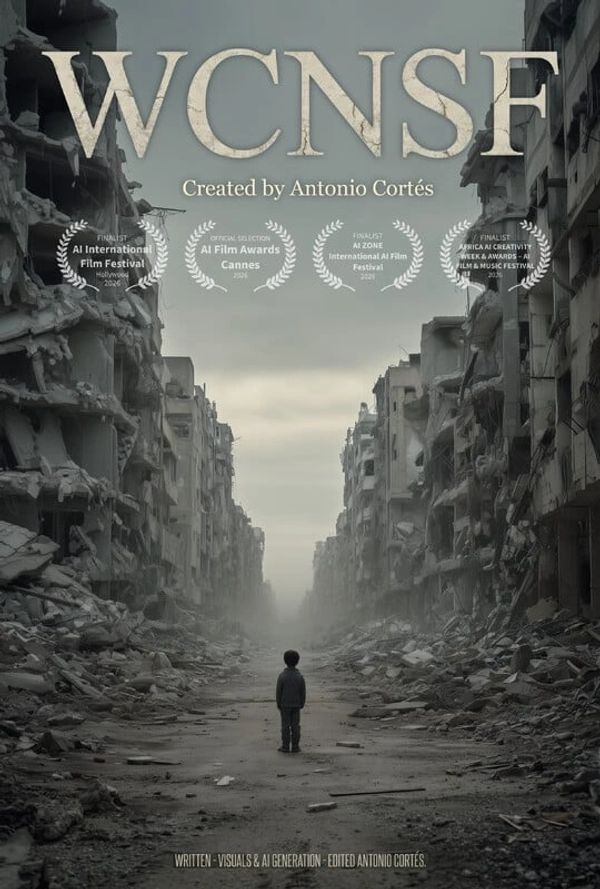
What is post-war devastation like for a child?
WCNSF approaches devastation through intimacy rather than spectacle. By anchoring the narrative in the perspective of a ten-year-old boy, the film avoids grand political statements and instead focuses on absence - what is no longer there, what used to be ordinary. The desolate journey becomes less about physical survival and more about memory, about the stubborn human need to reconstruct meaning when the world collapses.
The strength of the film lies in its restraint. The writing is controlled, the performances natural, and the emotional impact accumulates quietly until it settles heavily. It does not dramatize war; it humanizes its aftermath. In doing so, it achieves something more piercing than large-scale battle depictions. The experience is internal, almost physical. A deeply affecting and mature short that understands the power of understatement.
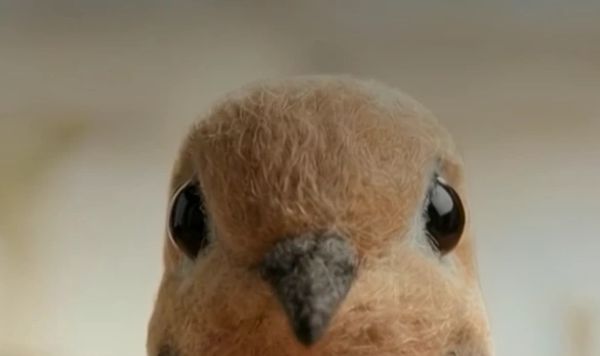
What does nature have to do with the grieving process?
I’ll Be a Bird (Seré un ave) is a quietly powerful meditation on grief rendered with remarkable tenderness. Without relying on dialogue, the film communicates emotional transformation through texture, gesture, and atmosphere. The tactile felt animation is not simply aesthetic - it deepens the intimacy. When the felt eyes well with tears, the materiality amplifies the vulnerability. It’s simple, but not simplistic.
What makes the short exceptional is its restraint. It trusts image and presence rather than explanation. The shared space between the woman and the dog feels authentic and lived-in, and the natural symbolism never feels forced. Grief here is neither dramatized nor minimized - it is gently witnessed. The result is a deeply affecting piece that achieves clarity through softness. It lingers long after it ends.
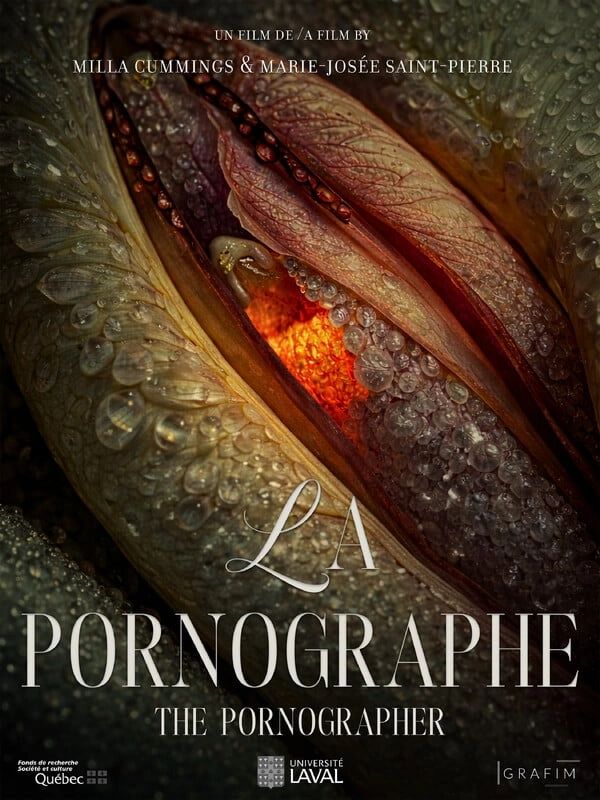
How might a women's sensations be represented through a harmless nature film?
The Pornographer is a sensual and mischievous experimental work that reclaims desire through abstraction rather than depiction. By translating sexual sensation into organic, glowing forms and natural metamorphoses, the film sidesteps conventional pornography and instead reconnects eroticism to life force, rhythm, and imagination. The imagery is bold yet tender, turning what is often hidden or sanitized into something luminous and unapologetically alive. Desire here is not performed for consumption, but experienced as a shared, elemental phenomenon.
What makes the film particularly compelling is its self-awareness. It does not simply aestheticize sexuality, but actively interrogates how generative AI interprets, distorts, and performs representations of female pleasure. The result is visually striking without becoming vulgar, sensual without exploitation. The music supports the imagery with restraint and fluidity, allowing the experience to remain immersive rather than overwhelming. Smooth, playful, and intellectually charged, The Pornographer succeeds as both artistic experiment and cultural provocation, reminding us of the natural sexuality we are taught to suppress, and the imagination required to reclaim it.

What happens within this Japanese counterculture band of the 60s?
This short carries emotional weight with quiet confidence. Set against the countercultural turbulence of late-1960s Japan, it explores the fragility of youthful conviction - how one reckless decision, made in the heat of ideology or longing, can permanently alter the trajectory of a life. The black-and-white aesthetic reinforces its reflective tone, and the narration is restrained rather than indulgent. The performances feel lived-in rather than theatrical, allowing regret to settle slowly instead of being dramatized loudly.
What makes the film compelling is not the historical reference point, but the emotional universality beneath it. It is less about political extremism and more about memory, love taken for granted, and the irreversible nature of certain choices. The story lingers because it trusts silence and suggestion. When a film makes you feel rather than instructs you how to feel, that’s usually a strong sign it’s working.
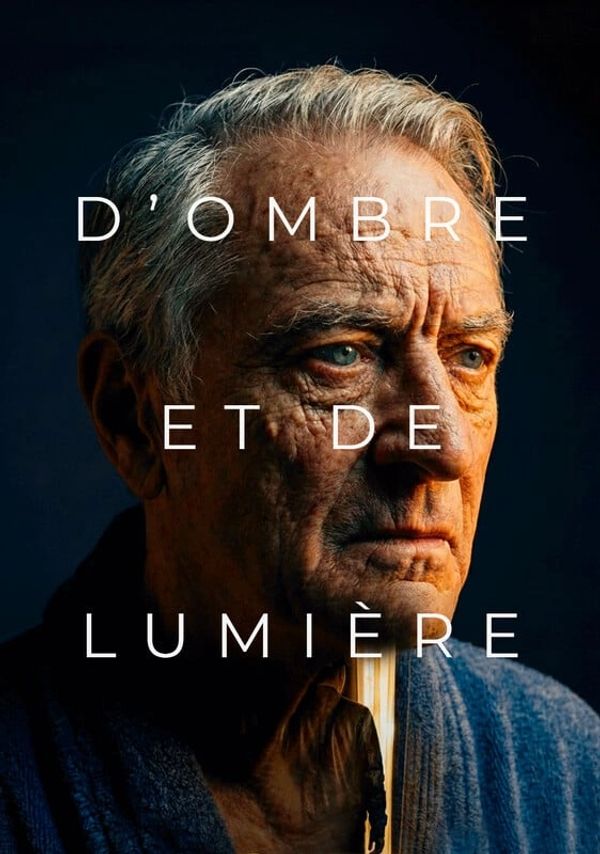
What terrible thing is happening to this poor man in the dark?
D’ombre et de lumière builds tension through restraint. An old man, a confined space, a phone line - the setup is simple, but the emotional impact is layered. The film’s hyper-realistic visual treatment enhances its psychological dimension, grounding the story in a familiarity that makes the unfolding confusion feel painfully close. The pacing is measured and deliberate, allowing the viewer to gradually understand that this is not merely a thriller, but something more intimate and tragic.
What elevates the short is its emotional resonance. The narrative twist lands not as a gimmick, but as a revelation tied to memory, vulnerability, and isolation. For anyone who has witnessed cognitive decline in a loved one, the film carries additional weight. It balances tension with tenderness, avoiding melodrama while still delivering heartbreak. A thoughtfully constructed piece that uses realism and subtle horror to explore fragility with care.
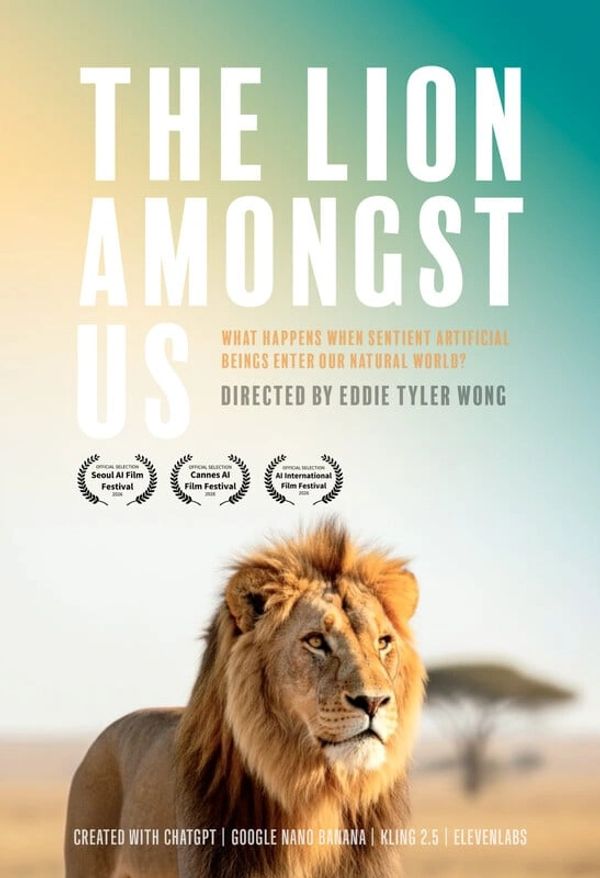
How can a fight between two lions warn us about superintelligence?
The Lion Amongst Us unfolds as a restrained cautionary tale, framed almost like a near-future documentary. Its premise - a sentient artificial being attempting to coexist with the natural world - is presented with clarity rather than spectacle. The narration is measured and confident, guiding the viewer through the allegory without overcomplicating it. Visually, the film maintains a consistent aesthetic, and the animal performances, however digitally rendered, carry surprising presence.
What gives the short its strength is its simplicity. Rather than dramatizing conflict through overt war imagery or explosive dystopian tropes, the film allows the tension to emerge quietly from coexistence itself. It becomes less about spectacle and more about inevitability. Entertaining and thought-provoking, The Lion Amongst Us demonstrates that dystopian commentary does not require chaos to be effective - sometimes a calm warning resonates more deeply than a battlefield.
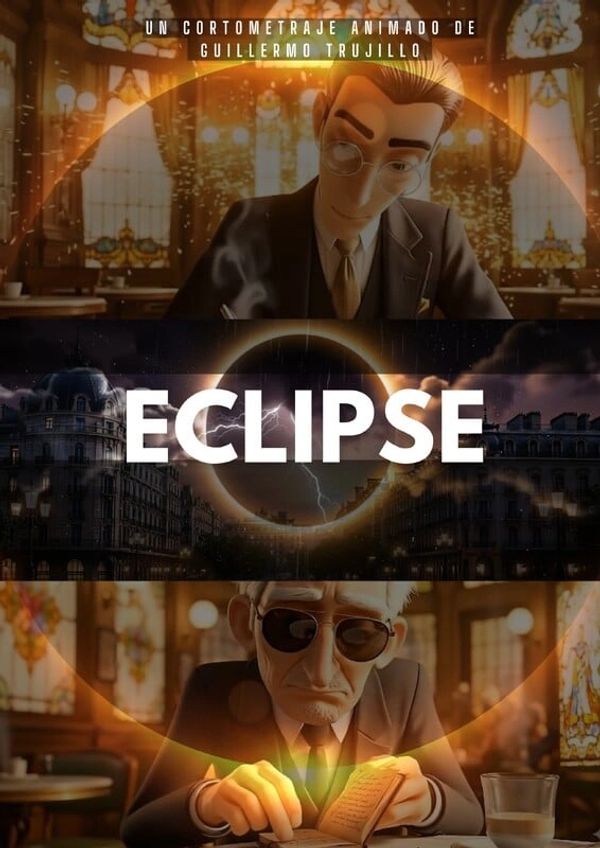
What did Luis Borges go through when losing his sight?
Eclipse offers a poetic and restrained portrait of a young Jorge Luis Borges confronting the looming fear of blindness. Set against the luminous atmosphere of Buenos Aires, the film delicately traces the tension between sight and memory, capturing the anxiety of losing the visible world while clinging to language as preservation. The writing carries elegance and depth, and the animation supports the emotional tone without overwhelming it.
The short succeeds in immersing the viewer in Borges’ inner landscape, allowing us to feel both the fragility and resilience of perception. Its pacing is measured, its imagery thoughtful, and its emotional arc quietly touching. Rather than dramatizing loss, it frames blindness as transformation, offering a reflective and entertaining meditation on how light persists even when vision fades.

What can this young women tell us about addiction, isolation, dissociation, and psychological survival?
40 Jours succeeds in translating psychological confinement into a controlled audiovisual experience. The lyrics carry a detailed internal narrative, while the visuals remain symbolic rather than literal, allowing the emotional states to resonate without over-explaining them. The restrained use of AI-generated imagery works in the film’s favor; it functions as texture rather than distraction. The balance between confinement, light, and bodily presence creates a cohesive inner landscape that feels deliberate and immersive.
What strengthens the piece is its discipline. The editing and pacing reflect careful authorship, preventing the experimental elements from becoming chaotic. The emotional struggle is conveyed clearly without melodrama, and the minimalism in effects enhances the claustrophobic atmosphere. As a music-driven experimental short, 40 Jours is both coherent and affecting, successfully placing the viewer inside an unstable psychological space while maintaining structural control.